Vorld — Pump Track Timing & Global Rankings
Precision pump track timing system powered by BLE and location-based logic engineered in Flutter withcustom low-level integrations beyond FlutterFlow limitations, enabling real world competitive tracking and global leaderboards.
Overview
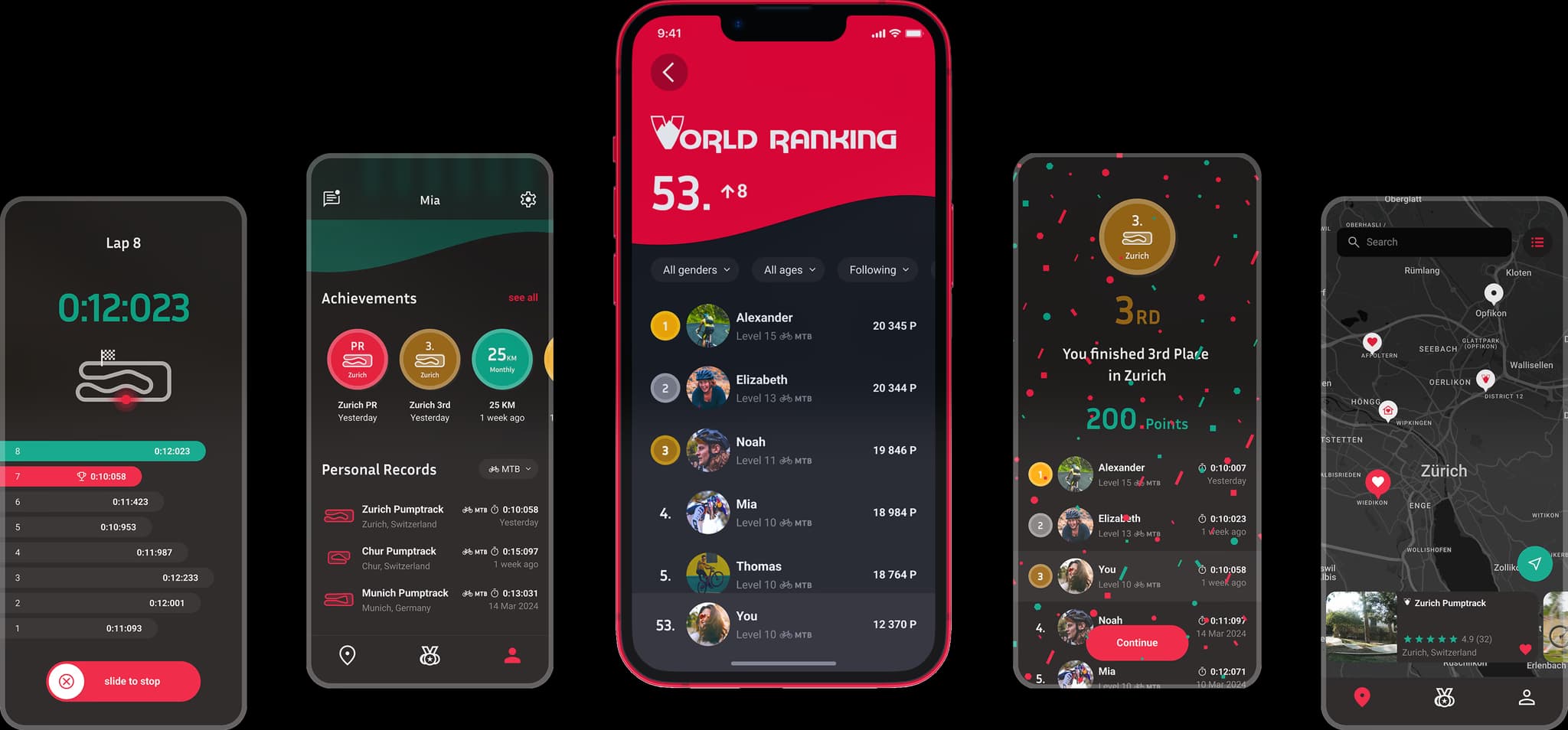
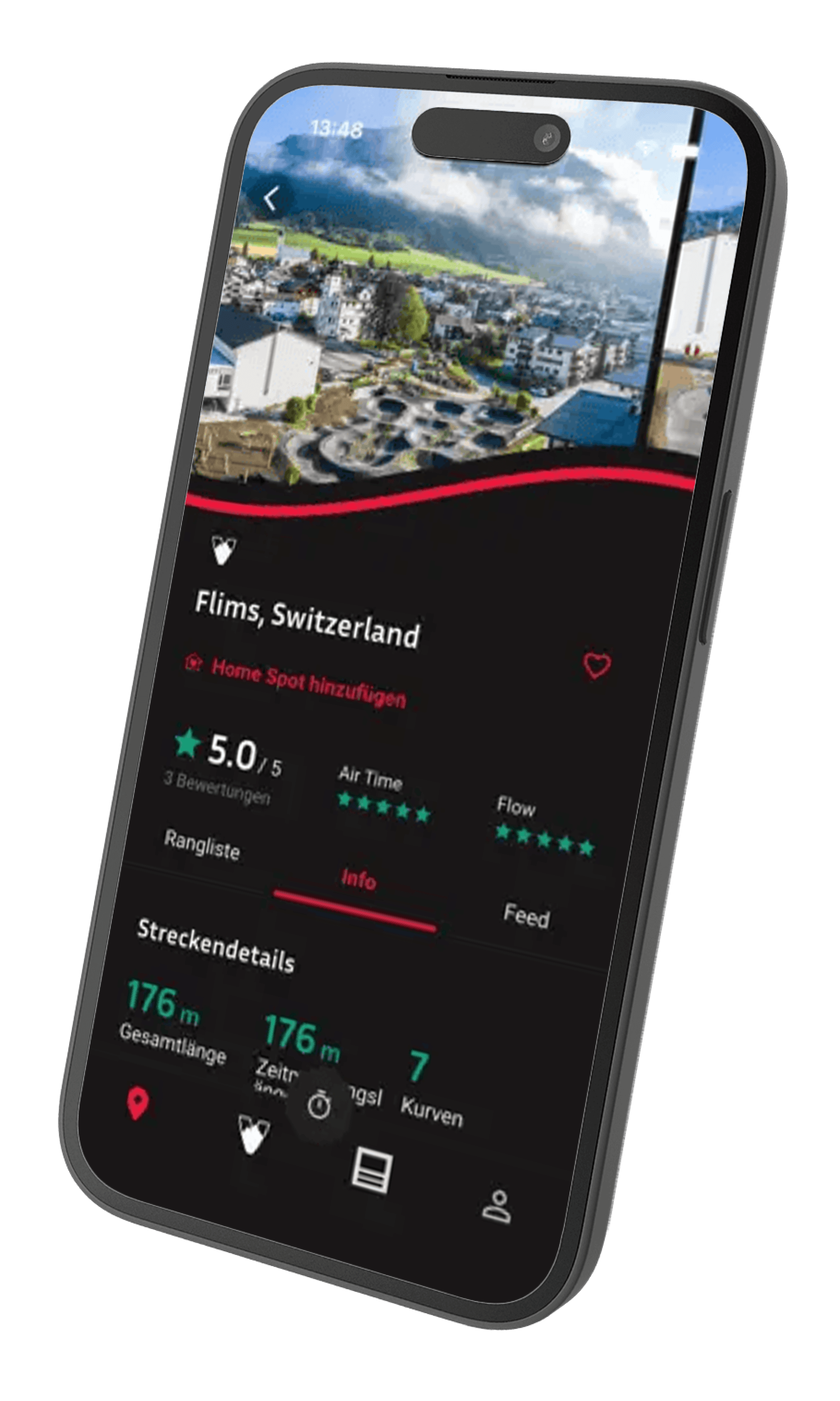
Vorld transforms a smartphone into a precision timing system for pump tracks, enabling riders to measure accurate lap times, compete on global leaderboards, and engage with a worldwide cycling community. Designed to remove hardware barriers, the platform introduces a transponder free timing mechanism powered by BLE based device communication and location based validation to ensure reliable performance in real world outdoor environments. The system integrates track discovery, real-time lap measurement, ranking algorithms, gamification features, community challenges, and event based competitions, supporting multiple ride formats including bikes, skateboards, scooters, inline skates, and wheelchairs. Live in production, Vorld combines hardware level integrations with scalable mobile architecture to deliver accessible, performance driven competitive tracking at a global scale.
Tech Stack
Role & Contribution
Contributed as a Senior Flutter Engineer, working within the constraints of FlutterFlow while extending the platform with custom Flutter implementations to enable hardware-level integrations and real-device testing.
Key responsibilities included:
- Engineering custom Flutter actions to support BLE communication and location based timing logic not natively supported in FlutterFlow
- Implementing local compilation workflows to bypass one directional FlutterFlow to Git limitations
- Enabling real device builds and physical track testing environments
- Integrating BLE based data capture for precise lap timing
- Supporting live ranking updates and competitive leaderboard features
- Solving real world testing challenges involving environmental variability and hardware interaction
Technical Challenges
The primary technical challenge was overcoming FlutterFlow’s limitations, which at the time did not support real device compilation or bidirectional Git synchronization. Additionally, the platform required BLE communication and location based validation mechanisms that were not natively supported within FlutterFlow’s abstraction layer. To address this, custom Flutter actions were developed and compiled locally to enable hardware level integrations and real world testing. Ensuring accurate lap timing in dynamic outdoor environments introduced additional complexity, requiring careful synchronization between BLE signals, device sensors, and application state management to maintain precision and reliability in production scenarios.